2021-2022
Filmweb App: Case Study
Filmweb is the 2nd biggest film & TV database in the world after IMdB and the biggest and most popular movie and TV shows ranking database webpage in Poland.
It is used by millions of users every day.
Launched in 1998, the page has since grew immensely, with an up-to-date and attractive UI.
A version of a Filmweb app was launched in the early 2010's, as what seemed to be a trial version, and then was shortly removed from the App Store. For some time, many users on the Filmweb forums or on Facebook and other social media expressed their need for a mobile extension of the website.
As I am conducting the following case study, the COVID-19 lockdowns have just ended.
Ever since the beginning of the pandemic, I found myself watching more and more movies- as has been the case for many. I became a very active Filmweb user, acommodating more than 300 film reviews on my profile.
I became particularily attached to the page thanks to the ‚Friend’s Ratings’ option where I could compare my ratings with others, read their reviews, and get film recs from sources I truly trusted.
If only there was an app for this...visiting Filmweb’s page via Safari on my phone quickly became a burden.
Survey
In order to find out if other Filmweb users think the same, I conducted a brief online survey where I asked users about their habits when it comes to using online TV & Movie Databases.
Using an online survey, I gathered answers from 37 people who all use TV & Movie database apps and websites.
The objective was to find out:
their habits,
the reasons they use the site(s),
when they use them (e.g. only after watching a film),
and how important is the social aspect of the site for them.
How often do you watch films/TV shows?

Do you use Filmweb's website?
_edited_edited.jpg)
Would you be interested in a Filmweb app?

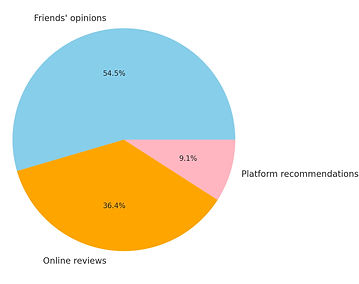
What influences your rankings?
_edited.jpg)
Do you use other sites? If yes, which ones?
_edited_edited.jpg)
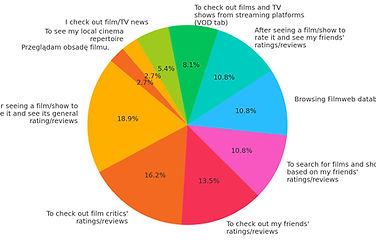
I usually use the Filmweb site to...
It can be noticed that friend's opinions are a major component in what drives the respondent's ranking of a given show or film (54.5%), followed by online reviews, with platform recommendations scoring lowest. This suggests that while platforms like Filmweb can work on personalised suggestions for their users, it is the opinions of others that people are most interested in.
Here are some noteworthy answers to open-ended survey questions:
Do you like using the Filmweb site?
Filmweb integrated with Facebook, but unfortunately, it added random people who watched bad movies, and it was hard to filter them out. If there were an option to separate ratings from Facebook friends / ratings from Filmweb friends, that would be great.
I love watching videocontent on Filmweb, like "Hot Shots", which were short 10-minute videos about upcoming releases for the week. I always had trouble finding them and had to search for them through Google.
What do you most like about the TV/F database site(s) you use?
Has more information about foreign (non polish) film and tv productions. (IMdB)
The ability to see your friends' ratings is the most important to me. (TV Time, Filmweb).
What would convince you to download the Filmweb app?
I would download it if it becomes more responsive than the webiste, there's also tons of ads.
Ability to see your friends' ratings (TV Time, Filmweb)
Key takeaways
1
Users frequently rely on external recommendations
Most respondents value film critics' and friends' ratings and reviews way more, than Filmweb's internal recommendations
2
Many use Filmweb, but not all see value in an app
A new app would have to bring added value, such as better personalization, fewer ads, and a streamlined experience
3
The social aspect of Filmweb is undertutilized
Users mentioned things like inability to filter out unwanted users, difficulties reaching certain functions, and a need for enhancing the feasture in a way that better facilitates having conversations
4
Competitors offer specific advantages, with IMdB being the most cited
Filmweb has to focus on its niche, which is the Polish film market
Competitors: feature analysis

As the survey results show, apart from investing in its existing strenghts, a new Filmweb app has to offer added value to the existing website to secure user interest. A competitor analysis helps to see where Filmweb could distinguish itself from other platforms.
Two features that aren't present across all platforms and were also mentioned in the survey, are the social feature and a personalized main page. Moreover, none of the competitors have a feature that allows to check nearest cinema screenings, and only TV time offers a show premiere calendar.
Therefore, I have concluded that Filmweb would benefit from focusing on increased personalization (especially within the main page), but it should be heavily informed by friends' activity.
A unique, existing feature of Filmweb are the nearest cinema screenings feature. It could become more social, with an option to invite or share cinema screening dates with friends.
Focus: social
Considering the scope of this study, I have decided to focus on an in-depth analysis of a single feature of the app, namely the social function.
As per the competitor feature analysis, two of Filmweb's competitors with a social feature are Letterboxd and TV Time.
I have analysed their approach to the social function below:

Engaging with users' reviews
Letterboxd User Flow

TV Time User Flow

Discovering and following other users
Letterboxd User Flow

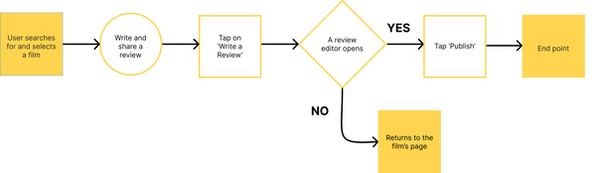
Writing and sharing a review
Letterboxd User Flow
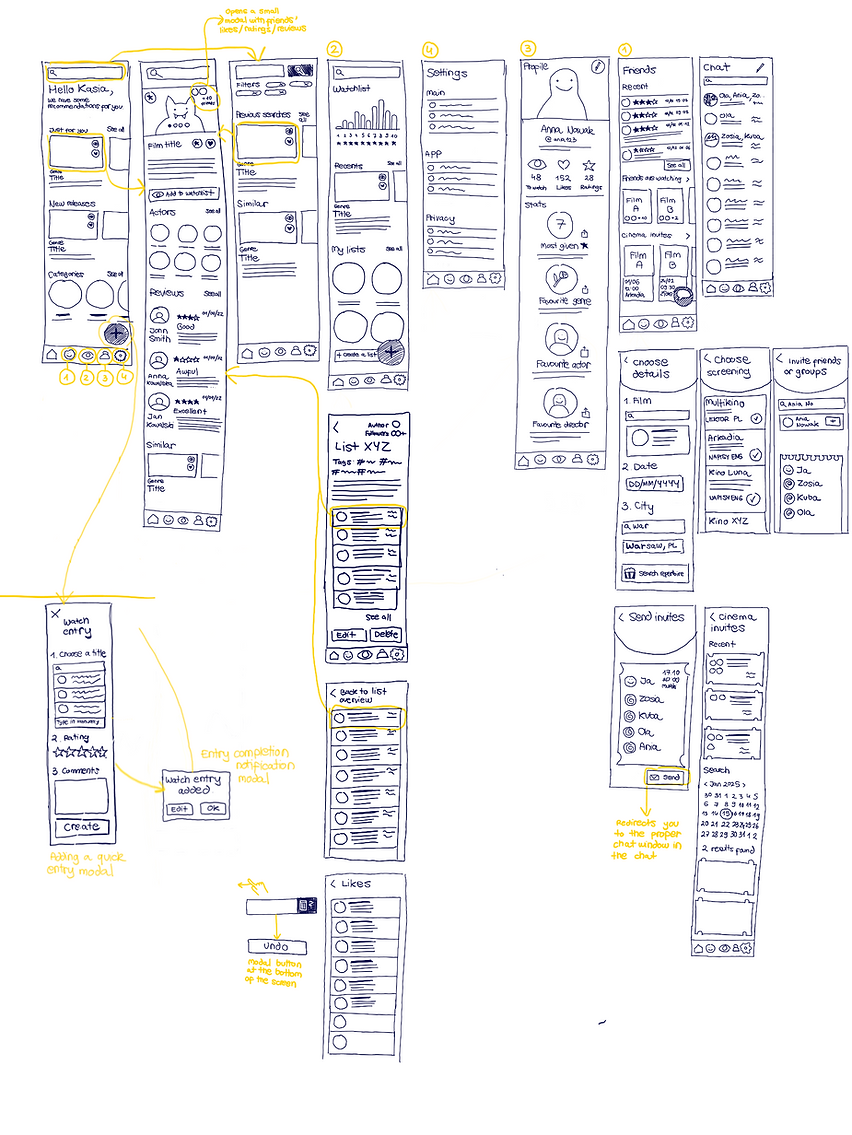
Initial wireframes
UI: Main Page + Social

*description in progress*
Cinema Invite Flow
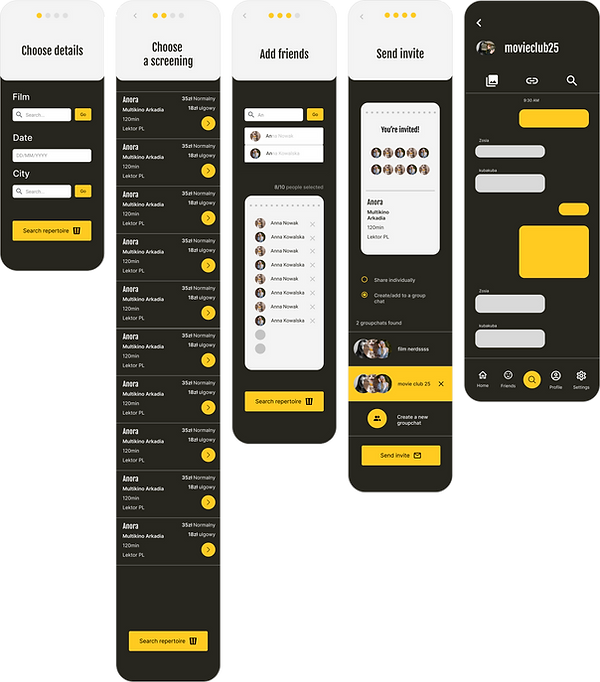
*description in progress*
UPDATE: New Filmweb app- how does my case study compare?
While I was conducting the case study (and after I drew my first hi-fi wireframes and trial mockups), Filmweb released their new app. I had the unique opportunity to compare their approach- logistically, feature-wise, and UI-wise- to my proposal.
It was very interesting to see many similarities but also, differences. To enhance my learning experience, I decided to also analyse the new app and compare it with my design.
(...)
*in progress*

WellApp: Pocket CBT Aid
2024-2025, team project
About
Well is a mobile app that offers evidence-based, easy-to-use cognitive-behavioral psychotherapeutic interventions. Our mission is to promote mental well-being for all by making science-based self-help tools more accessible in today’s fast-paced world. Well is also, to us, a passion project. It is currently in its early stages, with a commitment to continuous development.

Problem
The author of Cognitive Behavioural therapy, David R. Burns defines CBT as a method that operates on the principle that our thoughts, emotions, and behaviors are interconnected, and by changing distorted thinking, individuals can improve their emotional and behavioral responses.Central to CBT are cognitive distortions—irrational or biased ways of thinking that contribute to negative emotions. Burns identifies several common distortions, such as "catastrophizing" (expecting the worst outcome) and "black-and-white thinking" (seeing situations in extremes without middle ground). Tools like thought records and mood tracking, as well as distortion worksheets are often used to help clients identify distorted thinking in real-time and gradually shift towards healthier cognitive habits.
Self-help and practicing these exercises at home, in-between regular therapy sessions are essential aspects of the CBT process.
Literature review
To inform the design and functionality of Well, we conducted a literature review focused on peer-reviewed psychological research examining how individuals engage with Cognitive Behavioral Therapy (CBT) techniques between sessions. Our objective was to explore whether users consistently apply CBT methods outside of therapy, how they track progress, and the extent to which self-help tools enhance therapeutic outcomes.



Key findings
Cognitive distortion tracking is a key CBT technique, but engagement depends on how it is structured. A study in Behaviour Research and Therapy found that users who passively listed distortions saw minimal improvement, whereas those using interactive self-reflection prompts (e.g., identifying alternative thoughts) experienced significantly greater cognitive restructuring (Deacon et al., 2019). This suggests that WellApp should incorporate dynamic, guided exercises rather than simple logging features.
#2 Cognitive Distortion Analysis brings benefits- if it's interactive
#3 Mood Journaling is effective when paired with prompts
A study in the ERIC Database revealed that free-form journaling was less effective than guided journaling with CBT-based prompts. Users who received structured reflection questions (e.g., “What alternative explanation could there be?”) demonstrated stronger self-efficacy gains compared to those who journaled freely (Smyth et al., 2020). This supports the idea that WellApp should not only offer mood tracking but also provide targeted prompts that encourage users to challenge negative thought patterns.
#1 Need for structured support
Studies indicate that many CBT users struggle to maintain therapy progress between sessions without structured guidance. Research published in Cognitive Therapy and Research found that over 60% of participants reported difficulty recalling or applying CBT techniques when outside the therapist’s office (Kazantzis et al., 2018). This highlights the need for structured digital interventions like WellApp that provide reminders, guided exercises, and progress tracking to improve adherence.
Competitor analysis

We have conducted an analysis of four chosen competitors who provide either anxiety management tools, journaling or breathing exercises: Headspace, Oak, PTSD coach and Youper. The apps were analysed on the basis of: Features, Target Audience, UI approach, Monetization Model, and what we subjectively like and don't like about them.
The apps vary in terms of accessibility
User flows
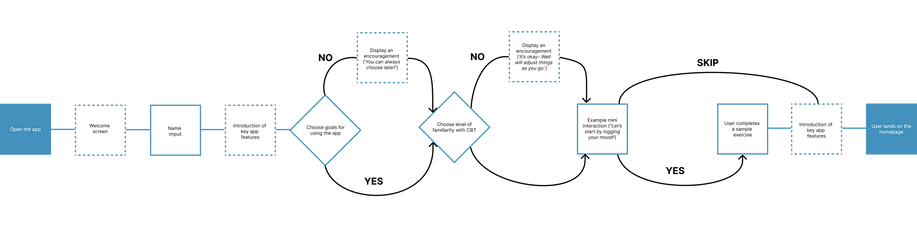
Onboarding
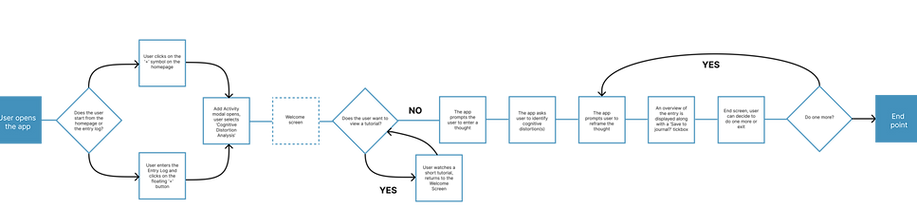
Completing a Cognitive Distortion analysis
Completing a Mood Journal Entry

Completing a Breathing Exercise

Prototype

Presentation
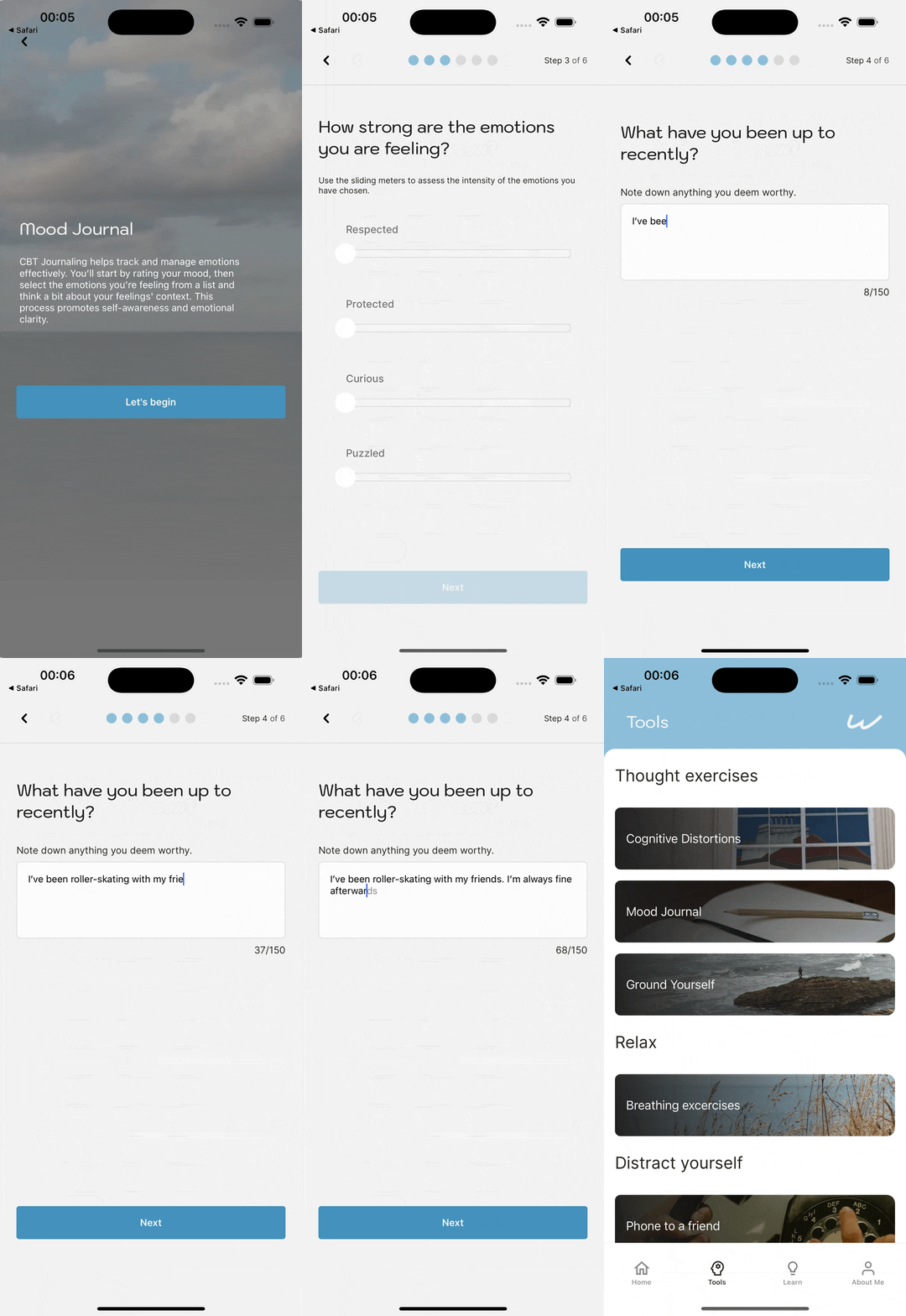
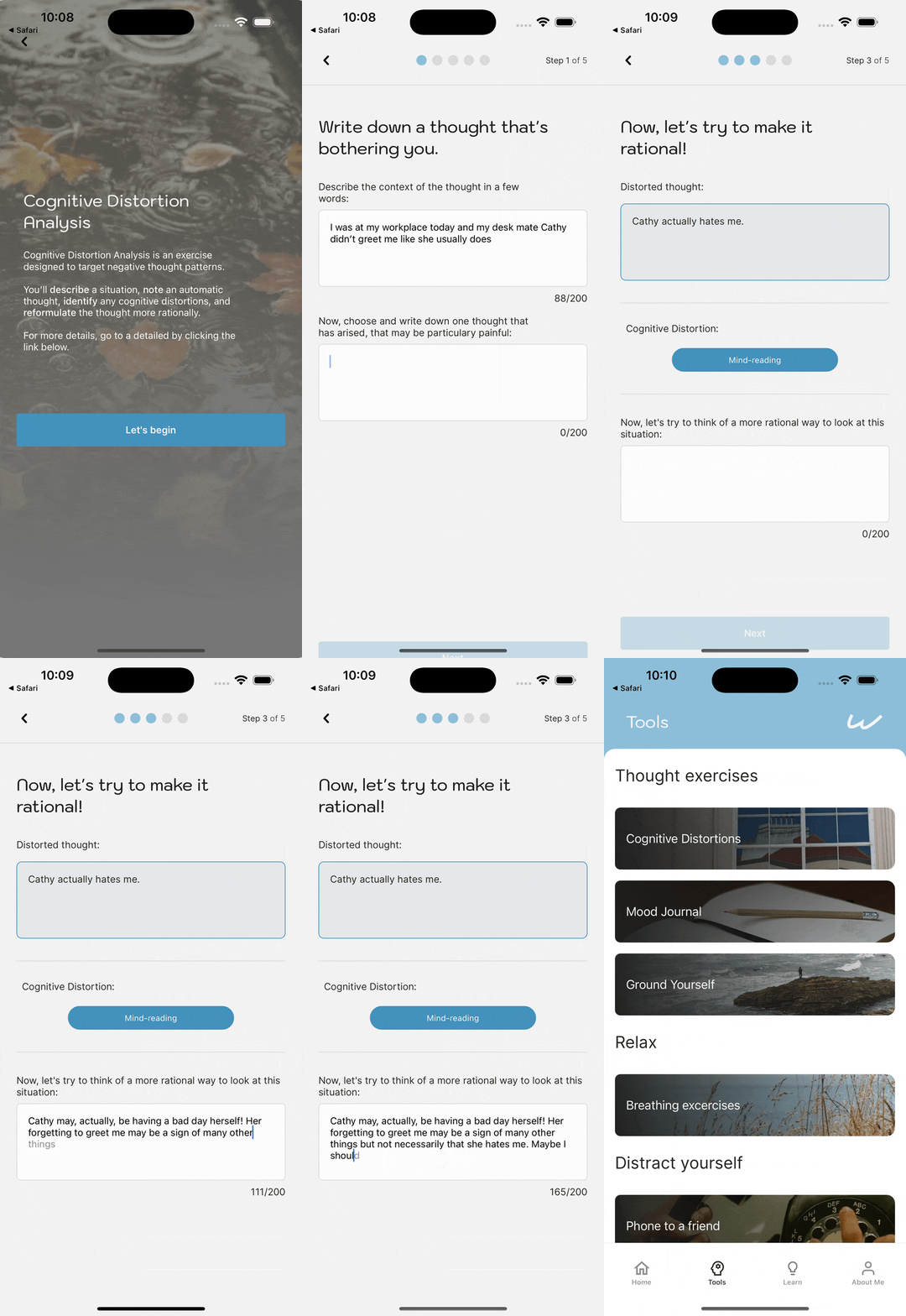
Cognitive Behavioral exercises
Cognitive Distortion Analysis (on the left) and Mood Journal (right)
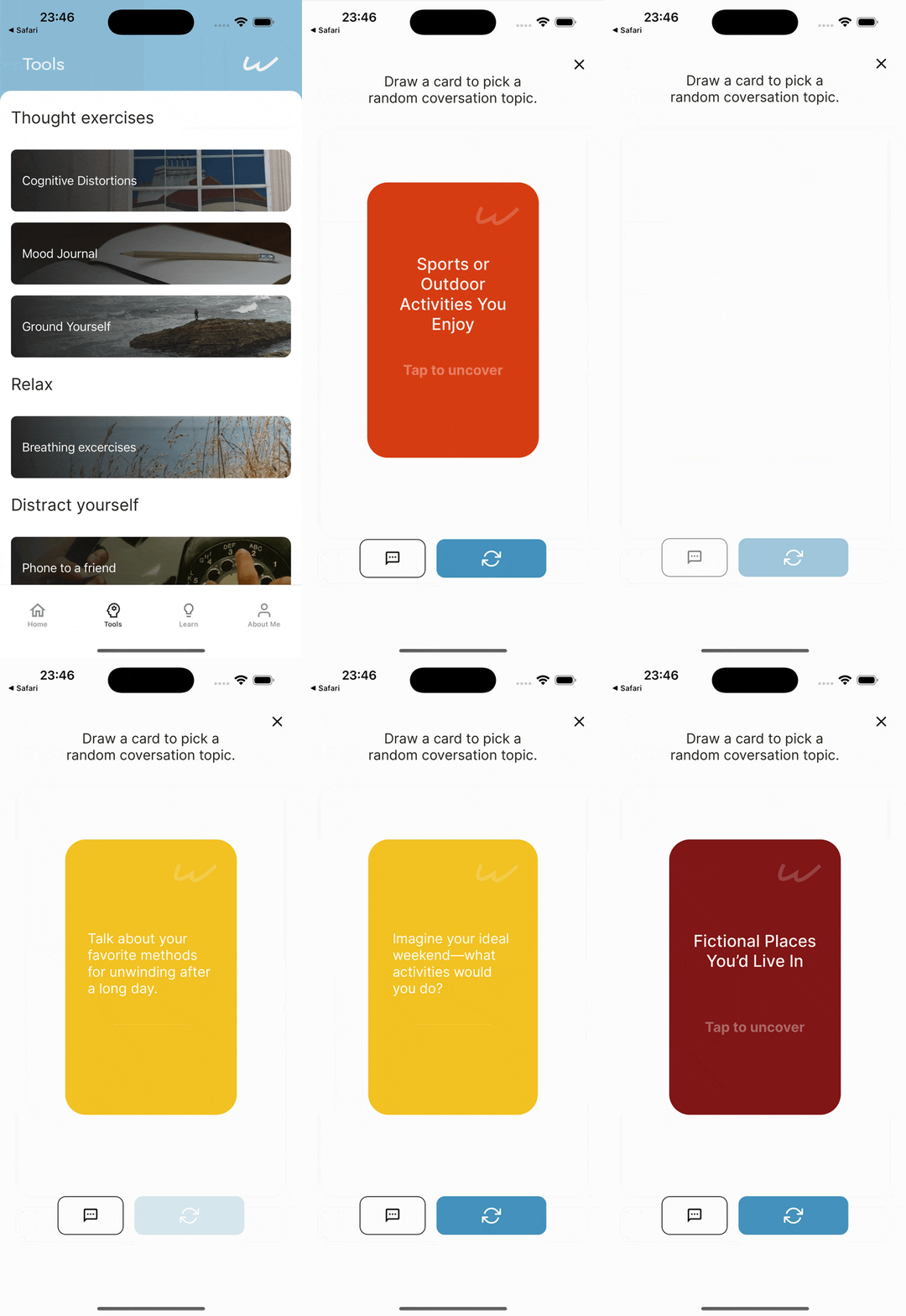
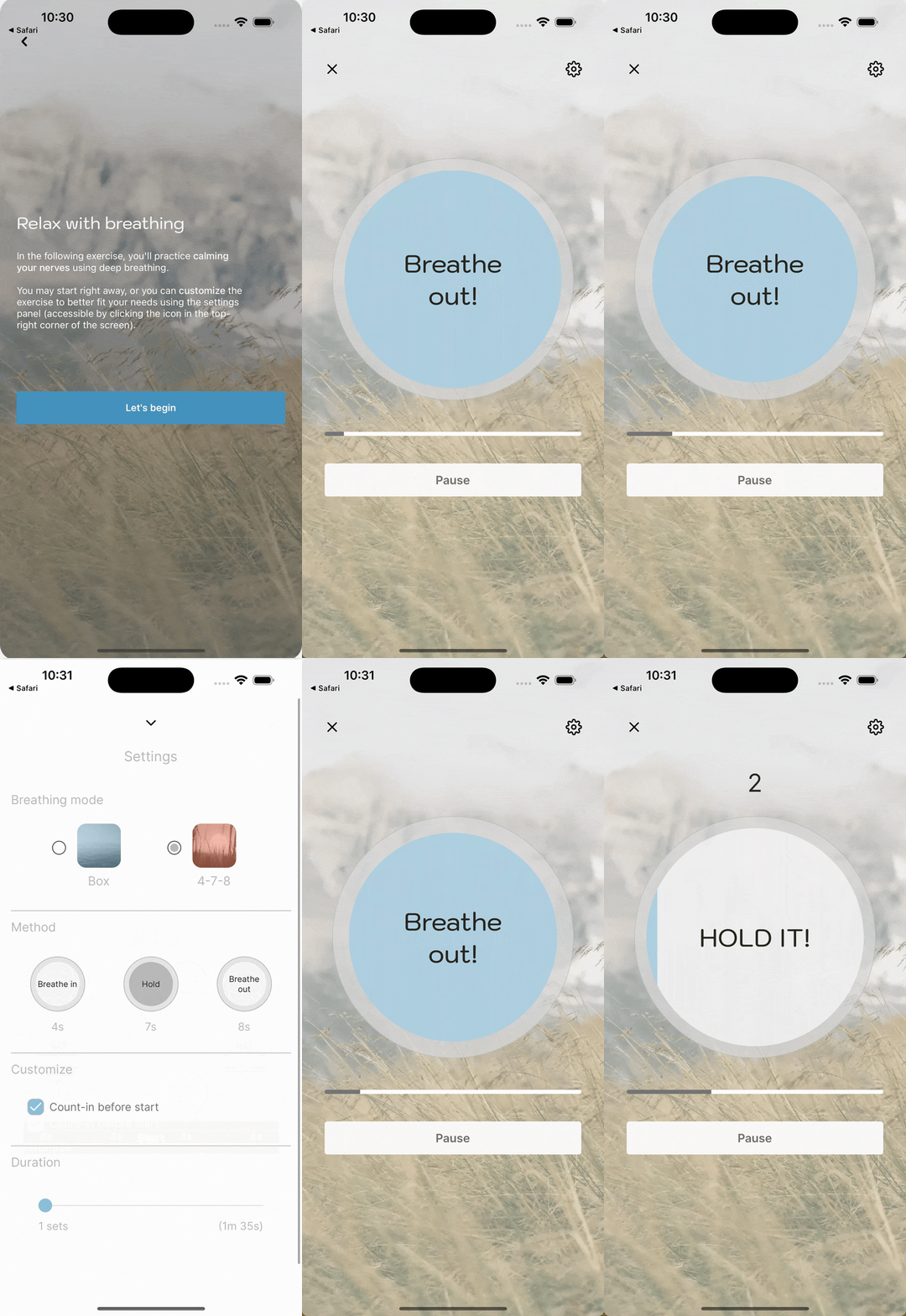
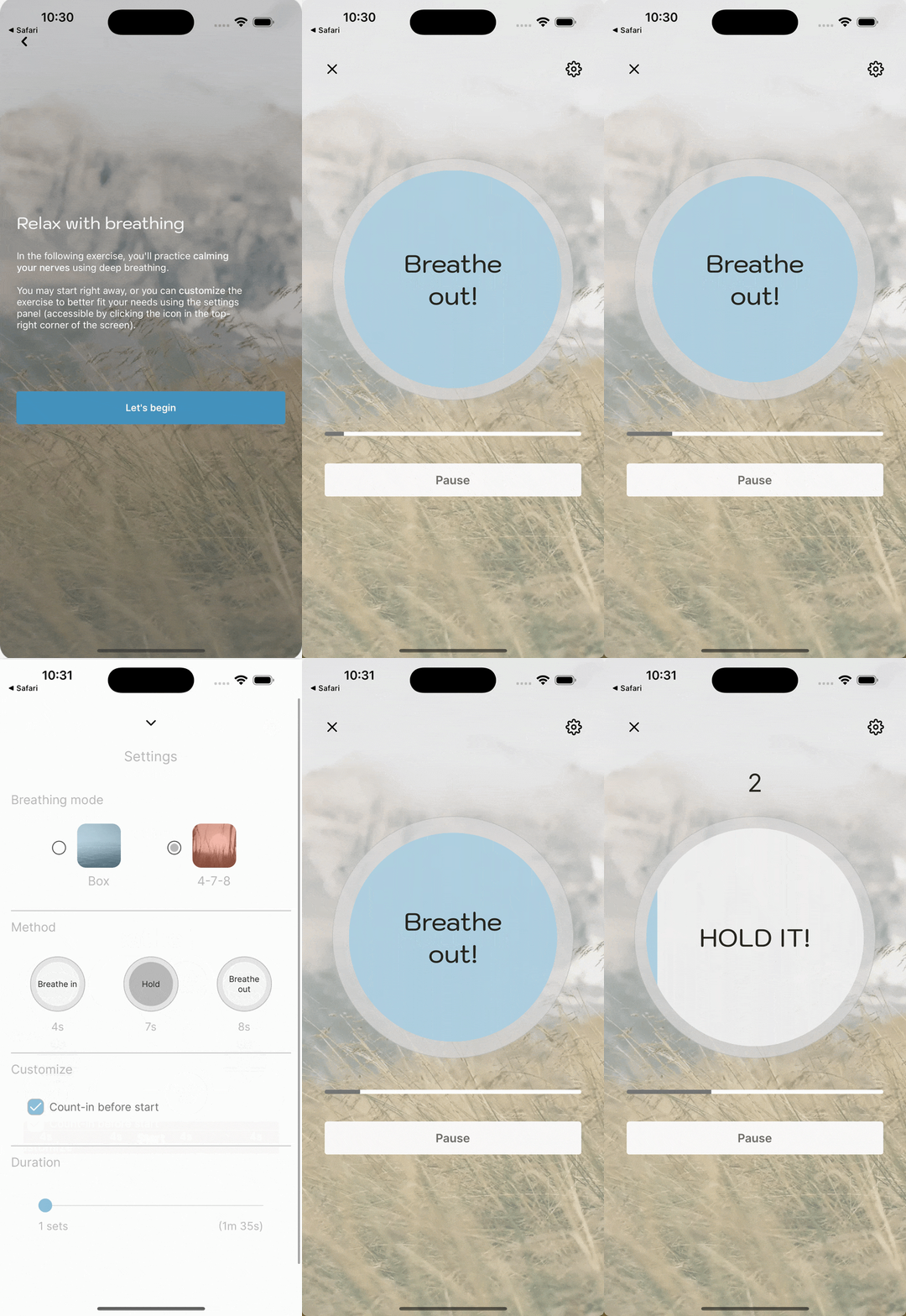
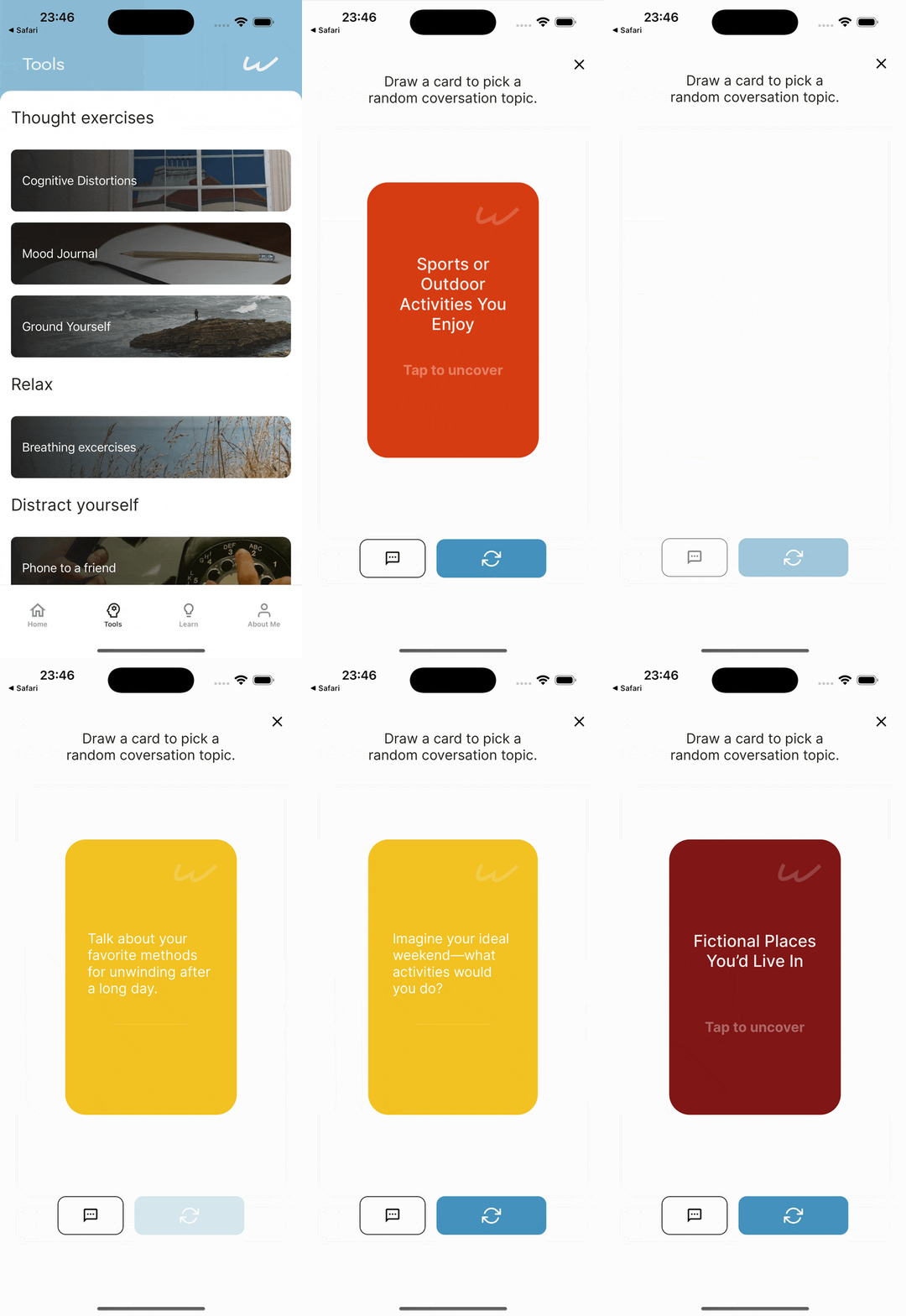
Customizable Relaxation Exercises and Activities for Stressful Times
Deep Breathing exercise (on the left) and "Phone a Friend" distraction exercise (right)
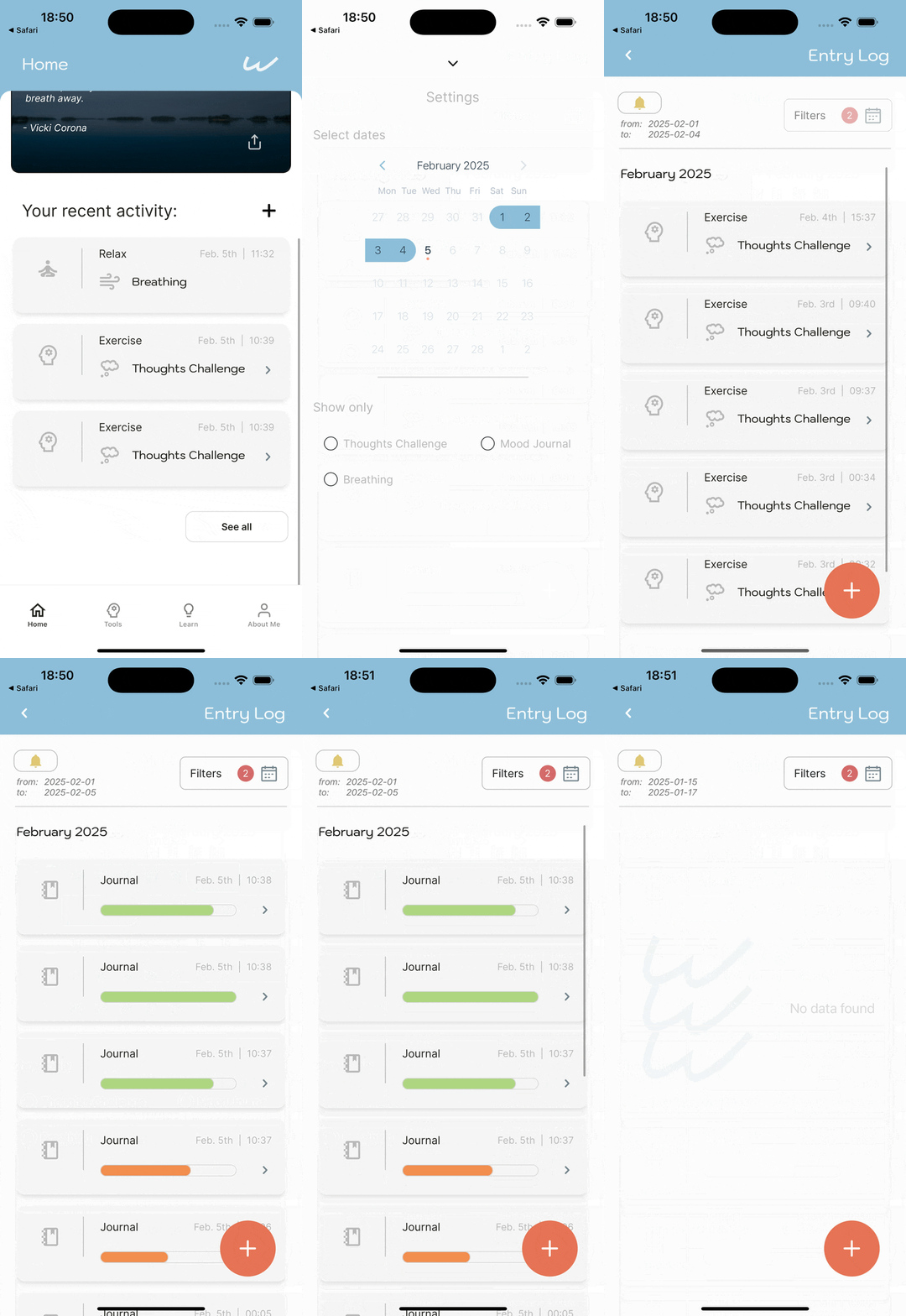
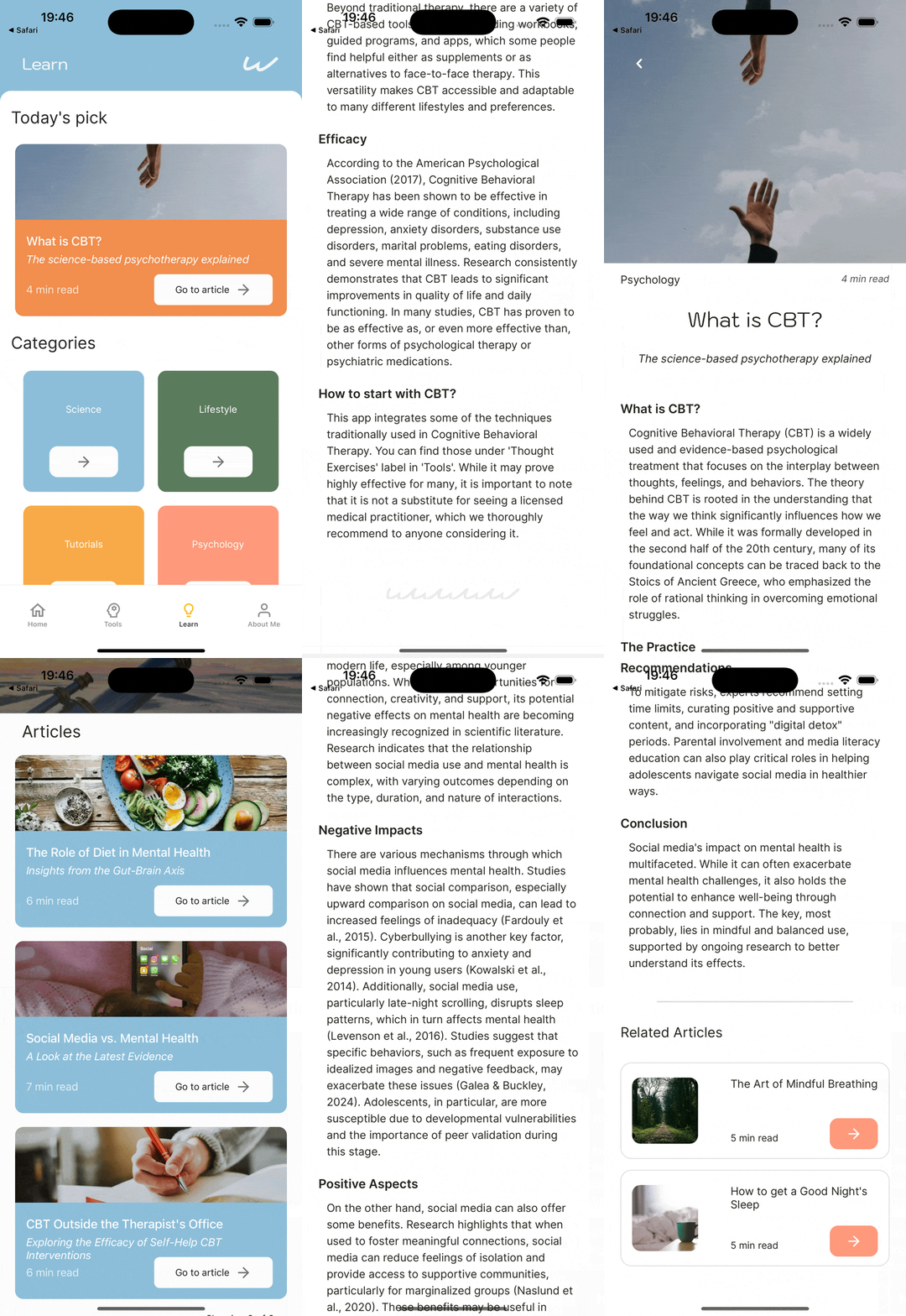
Customizable UI features and Learn section
Activity Log filtering menu (left) and Edit Profile menu (right)
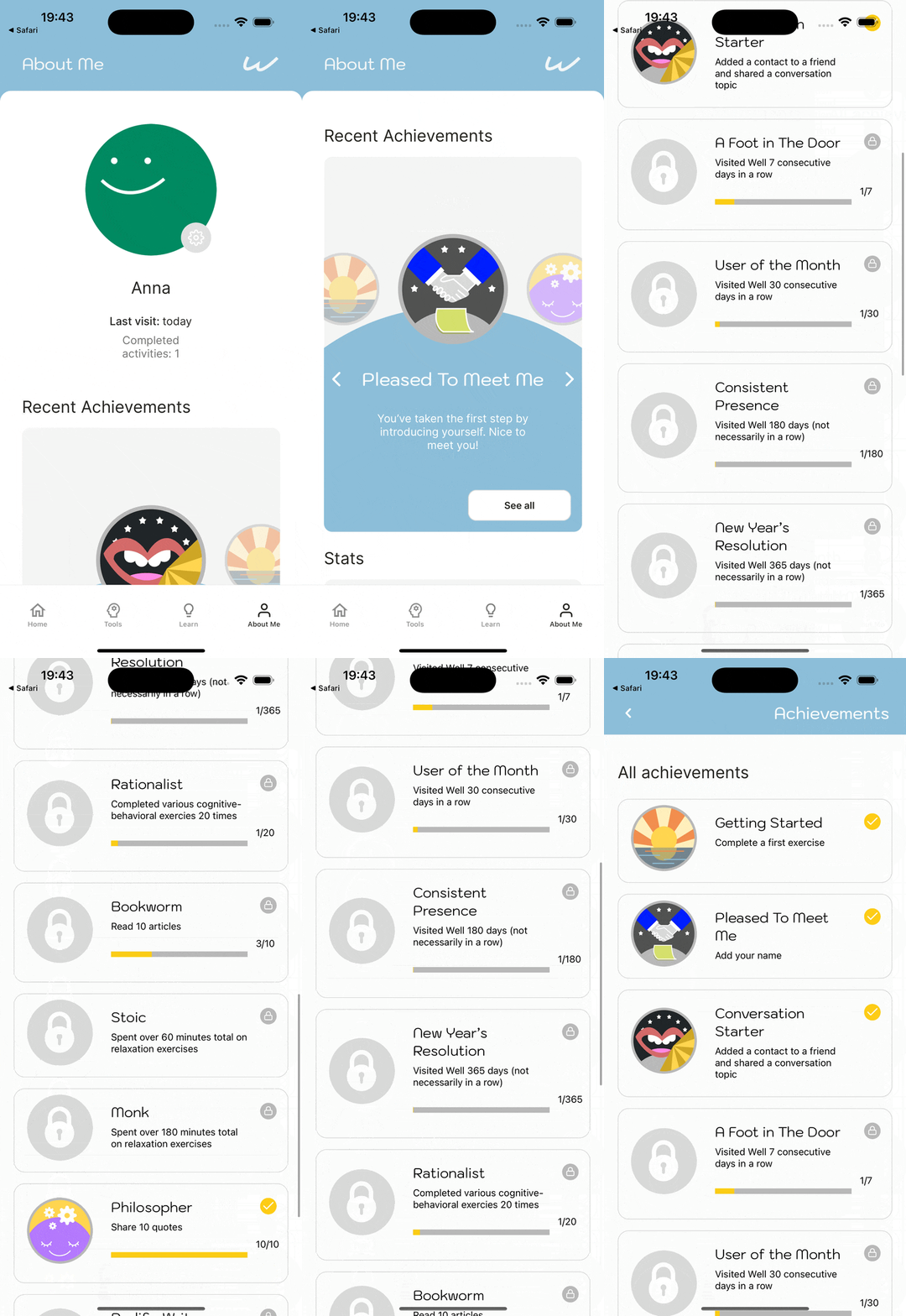
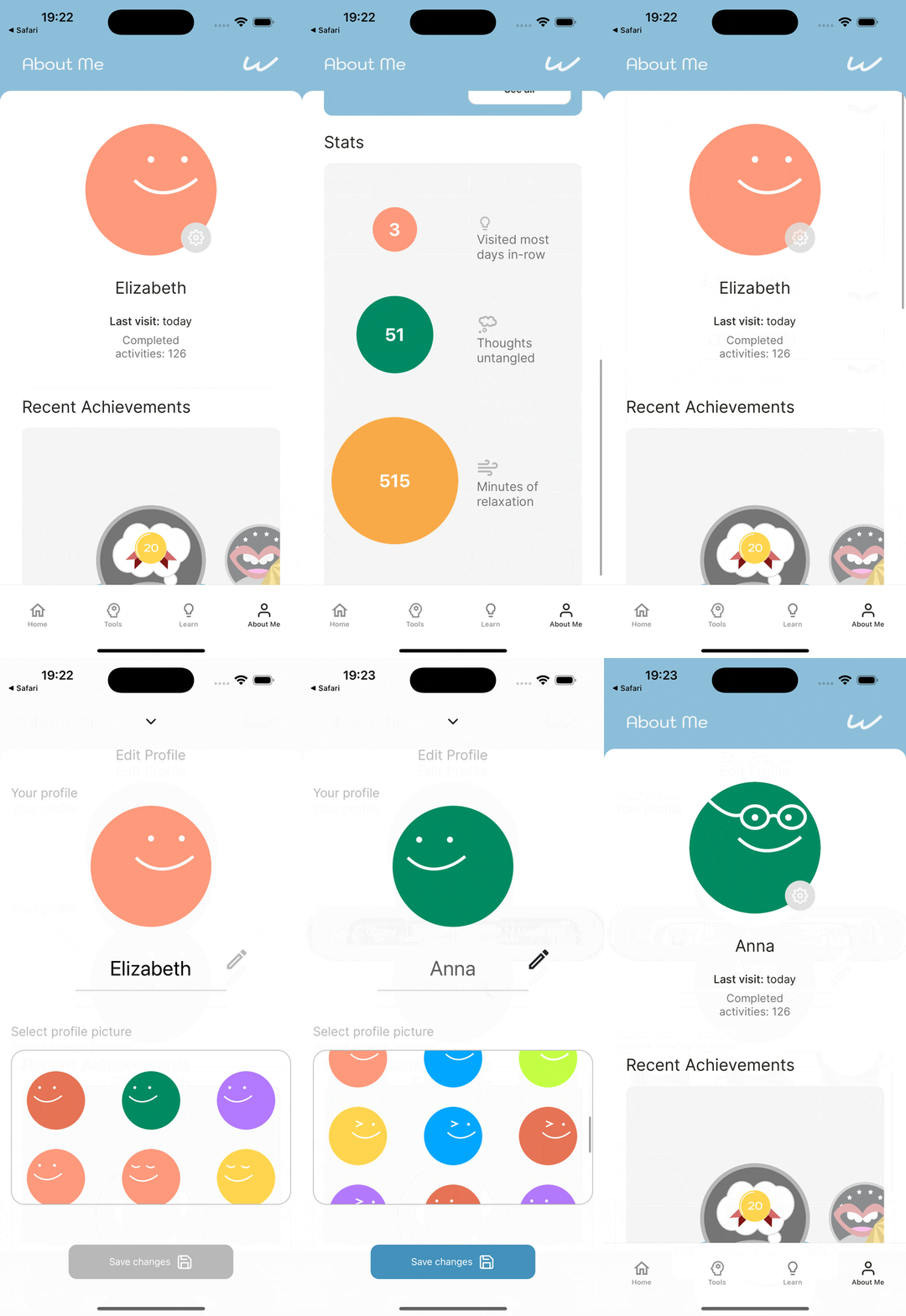
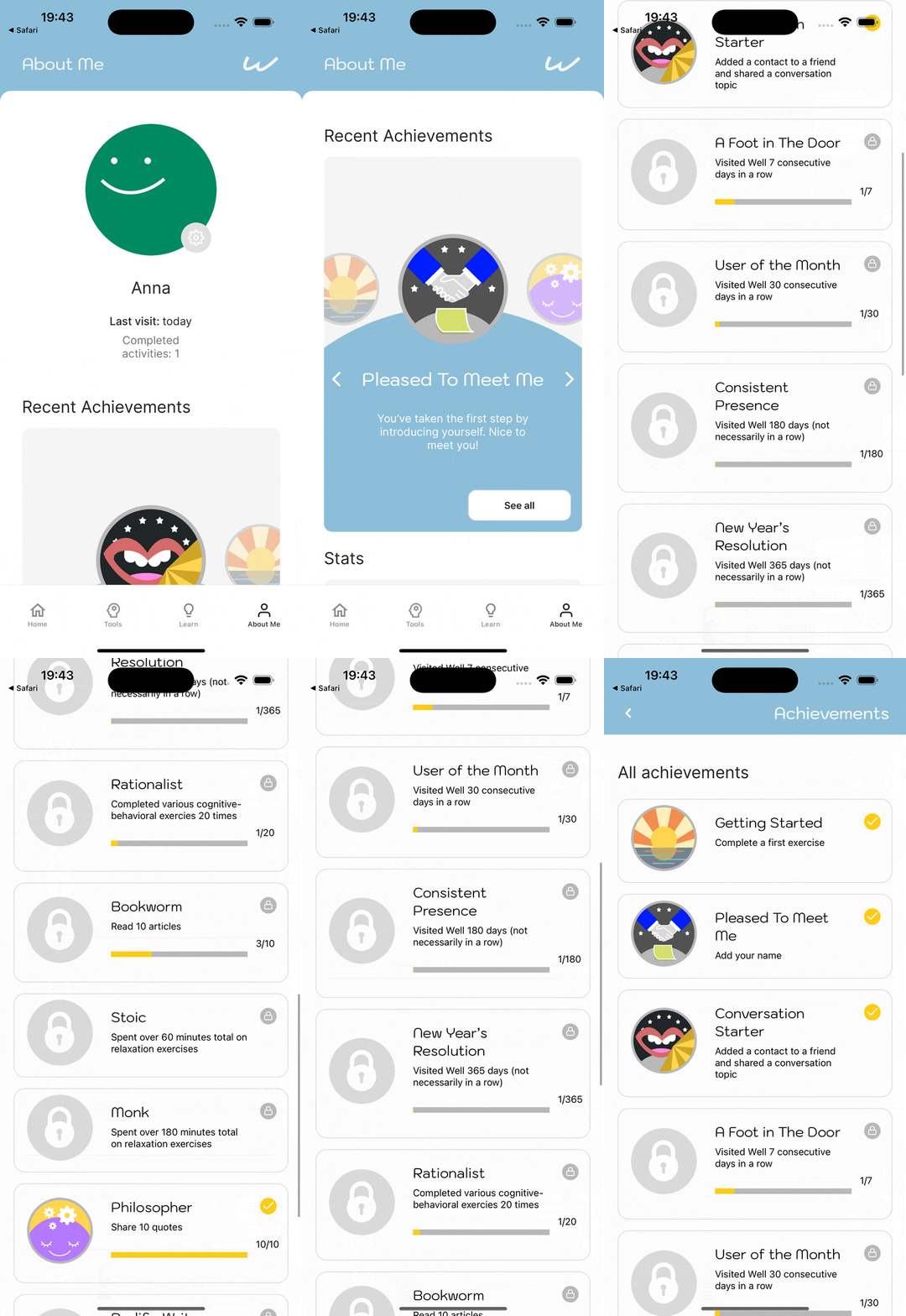
User customization and feedback system
Including Profile Customization, Statistics (left) and an Achievement System (right)
Next steps
Having completed our first full prototype of the app, we are planning to conduct user testing sessions in March-May 2025.
WellApp will be released on:
-
App Store: 2nd quarter of 2025
-
Google Play: date TBA